What is a COHAT (Comprehensive Oral Health Assessment and Treatment)?
COHAT at CCVS Tower Hill · Call (352) 505-6511
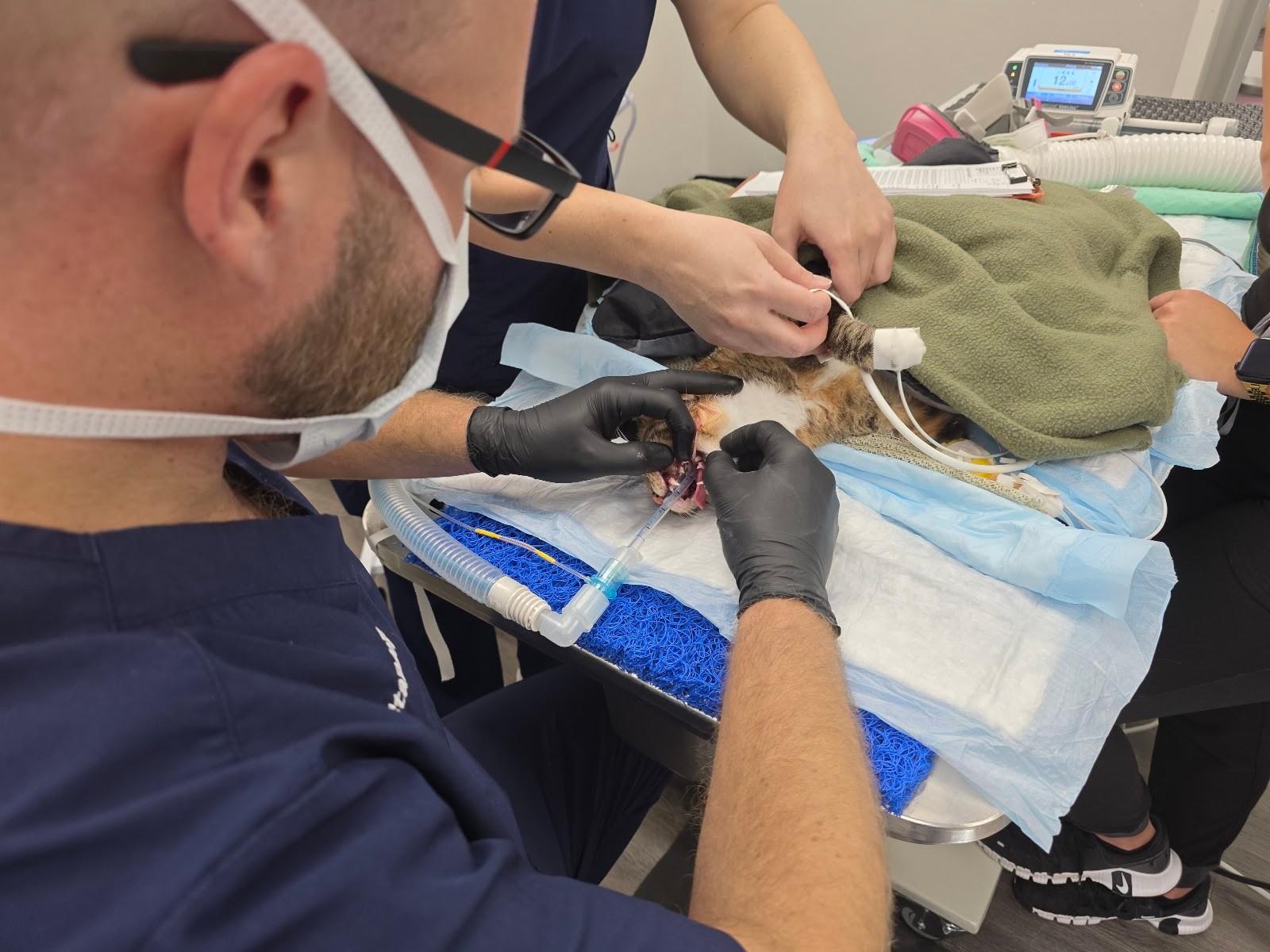
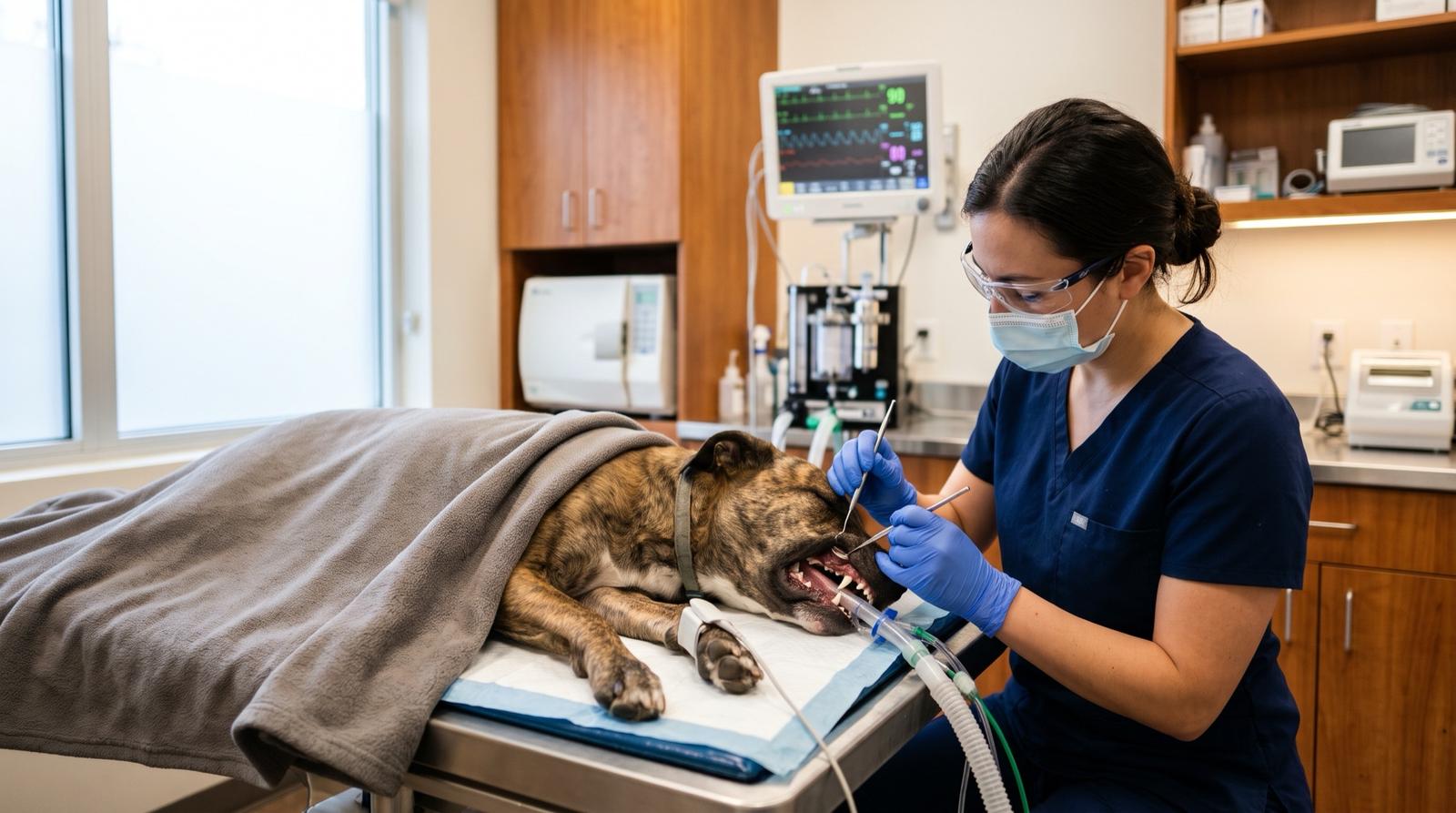
A Comprehensive Oral Health Assessment and Treatment (COHAT) is a thorough, multi-step veterinary medical procedure designed to evaluate a pet's entire oral cavity and treat any diagnosed dental diseases. Unlike a cosmetic or surface-level dental cleaning, a COHAT is a clinical assessment performed under general anesthesia to uncover hidden pathologies beneath the gumline.
The procedure encompasses a systemic health review, advanced anesthesia monitoring, full mouth digital x-rays, meticulous scaling and polishing, and periodontal therapy. By evaluating the 60% of tooth structure hidden below the gingiva, a COHAT effectively eliminates chronic pain, treats infection, and prevents systemic health complications in companion animals.
What to expect with a Veterinary COHAT
A professional COHAT consists of distinct clinical and educational stages to ensure patient safety and therapeutic efficacy.
Physical Exam & History
Comprehensive physical examination of the patient and a detailed review of medical and dental history with the owner to identify systemic or behavioral risk factors.
Pre-Anesthetic Bloodwork
Evaluation of internal organ function via an in-hospital laboratory to confirm the patient is a safe candidate for general anesthesia.
Pre-Anesthetic Sedation
Administration of sedatives and preemptive analgesics may be necessary to minimize pain, lower stress, and reduce the required volume of general anesthetic agents.
IV Catheterization & Monitoring
Placement of an intravenous catheter for continuous fluid therapy and immediate medication delivery. Vital signs (blood pressure, heart rate, respiration, oxygen saturation, and capnography) are continuously monitored by a dedicated Anesthesia Technician.
Intraoral or Panoramic Dental Radiographs
Intraoral X-rays are taken to evaluate subgingival tooth structures and surrounding alveolar bone. Approximately 40% of oral pathology goes undiagnosed without digital radiographs. Panoramic dental x-rays are available at an additional cost to facilitate a rapid, comprehensive survey of the entire oral cavity, producing a unified diagnostic image that captures the maxilla, mandible, complete dentition, nasal sinuses, and all associated anatomical structures.
Comprehensive Oral Examination
Visual and tactile inspection of soft tissues (tonsils, pharynx, tongue, mucosa) and individual assessment of every tooth for periodontal pocketing, mobility, fractures, or abrasions.
Charting & Treatment Planning
Our veterinarian reviews the radiographs and exam findings to log data into a detailed dental chart, formulating a custom treatment plan.
Scaling, Polishing & Rinsing
Supragingival and subgingival plaque and calculus removal using ultrasonic scalers and hand curettes. Teeth are polished with pumice paste to smooth surface micro-abrasions, followed by an antiseptic rinse.
Advanced Oral Therapeutics
Execution of approved surgical or periodontal interventions—such as surgical extractions or periodontal treatments—are performed during the same anesthetic session.
Discharge & Post-Operative Review
Discharge instructions include aftercare guidelines and the scheduling of follow-up exams if applicable.
Why General Anesthesia is Mandatory for COHAT
Performing a valid COHAT without general anesthesia is clinically impossible. Veterinary patients cannot remain immobile or compliant during highly invasive diagnostic and therapeutic steps.
Anesthesia is strictly required for the following clinical reasons:
- Stress and Anxiety Elimination: Immobilization prevents fear, panic, and accidental injury to the patient from sharp dental instruments.
- Subgingival Diagnostics and Cleaning: Cleaning the gingival sulcus and probing periodontal pockets is painful and impossible to perform safely on an awake animal.
- Intraoral Radiography: Digital X-ray sensors must be perfectly placed within the oral cavity, requiring total patient immobility.
- Airway Protection: Intubation protects the patient’s trachea and lungs from aspirating aerosolized bacteria, water, and debris during ultrasonic scaling.
Clinical Benefits of a COHAT vs. Basic Dental Cleaning
The Iceberg Metaphor: Animal teeth are structured like icebergs; the vast majority of the mass and potential disease pathology resides invisibly beneath the surface.
A simple cosmetic dental cleaning only removes visible plaque above the gumline, leaving hidden infections active.
- Halts Periodontal Disease Progression: By cleaning the subgingival space, a COHAT addresses the primary battleground of periodontal infection.
- Pain Eradication: Identifies and treats silent oral pathologies such as tooth fractures, root resorptive lesions, and bone loss that cause chronic, unvoiced pain in pets.
- Extended Life Expectancy: Resolving chronic oral inflammation prevents bacteria from entering the bloodstream and causing secondary damage to vital internal organs like the heart, kidneys, and liver.
Frequently Asked Questions
Why can't dental cleaning be done safely without anesthesia?
Can disease be missed without dental X-rays?
What happens during the tooth polishing phase of a COHAT?
How often should a pet undergo a COHAT procedure?
Planning a procedure at CCVS Tower Hill?
Call our outpatient surgery and dentistry team to talk through your pet’s scheduled procedure. For emergencies, please go to CCVS Meadowbrook.
