
What should I do if my dog is bitten by a snake in the Gainesville area?
If your dog is bitten by a snake in the Gainesville area, keep your dog calm and still, carry them if you can, and go straight to the nearest emergency veterinary hospital such as Community Care Veterinary Specialists. Do not wait for symptoms. Call ahead while someone else drives, so the team is ready when you arrive. Do not cut the wound, suck out venom, apply ice, or use a tourniquet.
The First 10 Minutes: What to Do
Speed matters more than anything else. Venom spreads through the tissue and bloodstream fast, and a bite on the face or neck can cause swelling that affects breathing. Follow these steps in order:
- Get your dog away from the snake. Move yourself and your dog back. Do not try to catch or kill it.
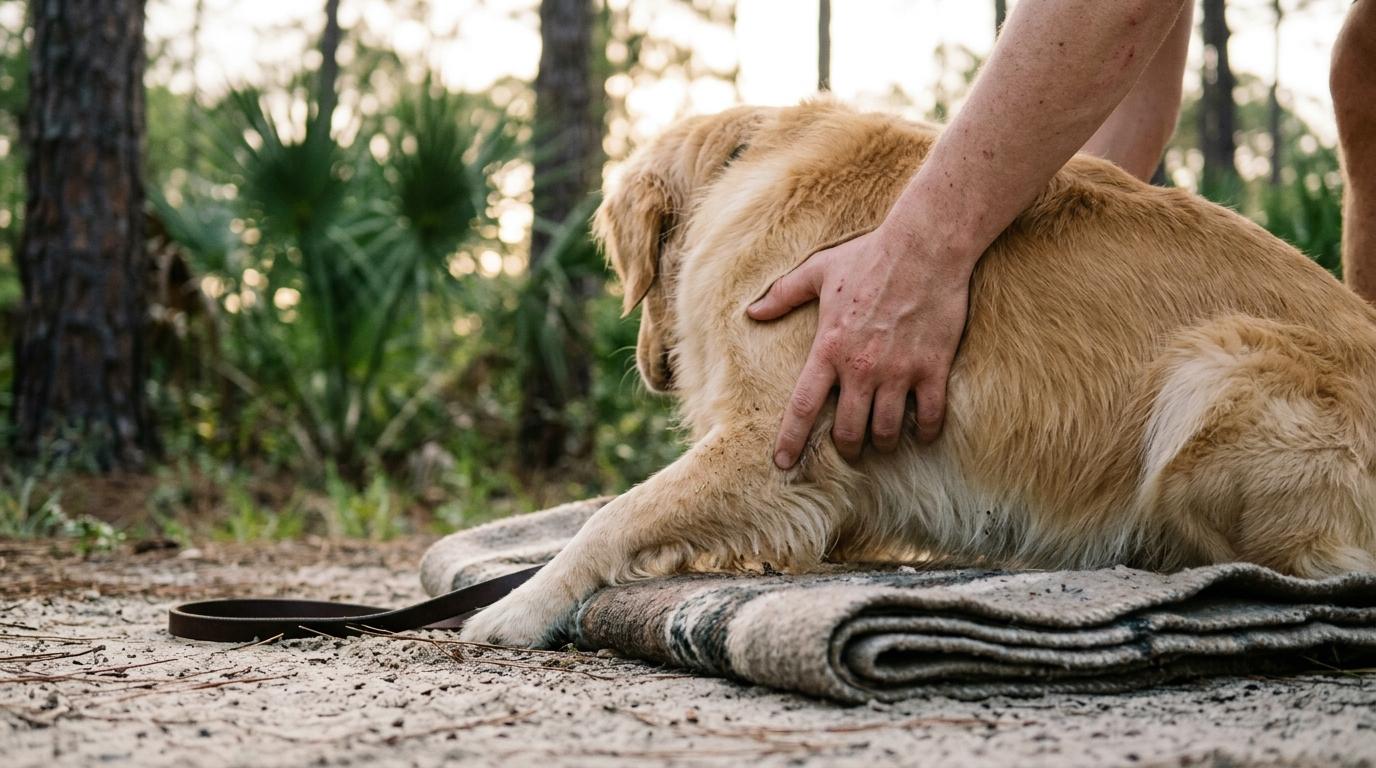
- Keep your dog quiet. A racing heart moves venom faster. Carry small and medium dogs. For large dogs, walk them slowly or use a blanket as a stretcher.
- Call the emergency hospital. Tell them your dog's approximate weight, where the bite is, and when it happened.
- Drive to the hospital. If you are alone, call first, then drive. Do not stop to monitor at home.
- Note what the snake looked like. A quick phone photo from a safe distance helps, but identification is never worth delaying care.
What Not to Do
- Do not cut the bite or try to suck out venom. It causes tissue damage and does not remove venom.
- Do not apply a tourniquet. It concentrates venom and can cause serious tissue injury.
- Do not apply ice or a cold pack.
- Do not give aspirin, ibuprofen, or other human pain medication. These can harm dogs and worsen bleeding.
- Do not give antihistamines instead of seeing a vet. They do not treat venom.
- Do not wait to see if your dog "seems fine." Signs can be delayed by hours.
Snakes Common Around Gainesville
North Central Florida has both venomous and harmless snakes. Dogs exploring yards, creek edges, wooded trails, and brush piles are most at risk. Venomous species in the region include:
- Eastern diamondback rattlesnake
- Timber (canebrake) rattlesnake
- Pigmy rattlesnake
- Copperhead
- Cottonmouth (water moccasin)
- Eastern coral snake
Many bites come from non-venomous snakes, but you cannot reliably tell the difference in the moment. Treat every suspected snake bite as an emergency until a veterinarian says otherwise.
Signs of a Snake Bite in Dogs
Look for any of these, though some dogs show very little at first:
- Sudden yelping, limping, or hiding after being outdoors
- One or two puncture marks, often hard to see under fur
- Rapid swelling, bruising, or bleeding at the site
- Drooling, vomiting, or diarrhea
- Weakness, collapse, or trembling
- Fast or labored breathing
- Pale gums
Coral snake bites are the exception. They can look mild early on and still cause nerve effects later, so a vet visit is still required.
Where Community Care Veterinary Specialists Fits
Community Care Veterinary Specialists is a veterinary hospital serving the Gainesville area, and it is the kind of place to head to for a snake bite emergency. The hospital's role in this situation is hands-on veterinary care: assessing your dog, monitoring for the effects of venom, and treating based on what the examination shows. Call ahead when you can so the team can prepare for your arrival.
Snake Bite Response: Do This vs. Avoid This
| Situation | Do | Avoid |
|---|---|---|
| Moving your dog | Carry or walk slowly | Letting them run or play |
| The wound | Leave it alone | Cutting, sucking, tourniquets, ice |
| Pain relief | Wait for veterinary direction | Aspirin, ibuprofen, human meds |
| The snake | Photo from a safe distance | Chasing or killing it |
| Timing | Go immediately | Waiting for symptoms |
Reducing the Risk at Home
You cannot remove every risk, but a few habits help. Keep grass short and clear brush, wood piles, and debris where snakes hide. Leash your dog on trails and near water, and keep them out of tall grass and leaf litter. Check your yard at dawn and dusk during warm months, when snakes are most active. Keep your emergency hospital's number saved in your phone so you never have to search for it during a crisis.
Snake Bite in Dogs FAQ
How long do I have to get my dog treated after a snake bite?
Go immediately. Venom starts acting within minutes, and delays make complications more likely. Do not wait for symptoms to appear, because some develop over several hours.
Can I treat a snake bite at home?
No. There is no safe home treatment. First aid at home is limited to keeping your dog calm and still while you travel to a veterinary hospital such as Community Care Veterinary Specialists.
Should I try to identify or catch the snake?
No. Take a photo only if you can do it safely and quickly. Veterinary teams treat based on your dog's condition, and chasing a snake risks a second bite to you or your dog.
