
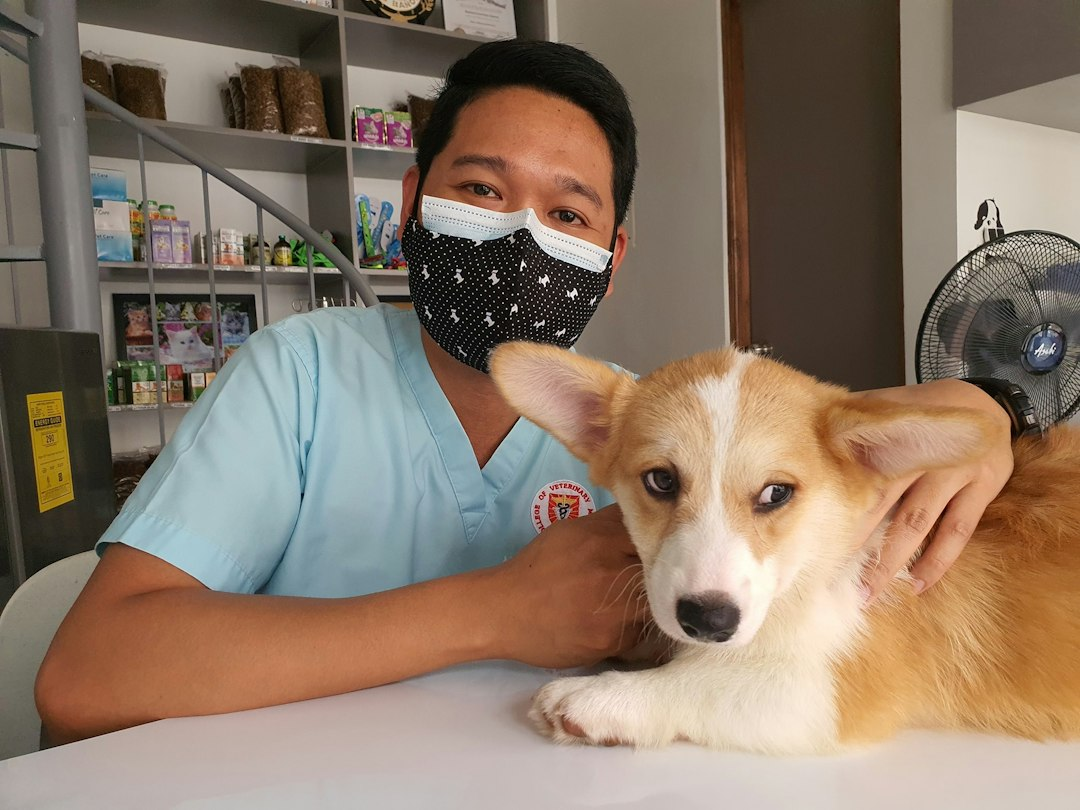
Recognizing Bladder Stones in Dogs
Changes in your dog’s bathroom habits can be easy to dismiss at first. Perhaps your pet is asking to go outside more often, taking longer to urinate, or having accidents indoors despite being house-trained. These behaviors may point to a urinary problem, including bladder stones in dogs. Although some stones cause only mild discomfort initially, others can interfere with the flow of urine and quickly become dangerous. Knowing what to watch for can help you seek veterinary care before the condition becomes an emergency.
What Are Bladder Stones?
Bladder stones in dogs, also known as uroliths, are hard deposits of minerals that develop inside the urinary tract. They can vary considerably in size. Some are tiny, grain-like particles, while others grow into larger stones or form in clusters.
They develop when minerals in the urine become concentrated and begin to crystallize. Over time, these crystals can collect and harden. Different types of stones have different mineral compositions, with struvite and calcium oxalate among the types commonly found in dogs. Other varieties, such as urate and cystine stones, can also occur.
Several factors may contribute to their formation. Urinary tract infections can encourage certain stones to develop, while metabolic conditions, diet, genetics, and changes in urine chemistry may also play a role. Some dogs are more prone to particular stone types than others, so identifying the underlying cause matters when planning treatment.

Signs and Symptoms Pet Owners Should Look For
One of the earliest clues is a change in how your dog urinates. You might notice more frequent trips outside, repeated squatting, or small amounts of urine being passed each time. Your dog may seem uncomfortable or take longer than usual to finish. Other warning signs include:
Blood in the urine: Urine may appear pink, red, or brown. Sometimes the blood is only visible during a veterinary urine test.
Straining: Your dog may repeatedly attempt to urinate, even when the bladder is nearly empty.
Frequent urination: Your pet may ask to go outside more often but pass only a small amount.
Accidents indoors: A previously house-trained dog may suddenly urinate inside.
Discomfort: Whining, restlessness, licking around the urinary opening, or changes in posture may indicate pain.
Changes in behavior: Some dogs become less active, lose interest in food, or seem unusually withdrawn when they are uncomfortable.
These symptoms aren't exclusive to bladder stones. A urinary tract infection and other urinary conditions can produce similar signs. That's why a veterinary examination is important rather than trying to identify the problem at home.
A dog that repeatedly tries to urinate but produces little or no urine needs emergency veterinary attention. A stone may have blocked the urethra, preventing urine from leaving the body. This can cause serious complications and become life-threatening without prompt treatment.
How Are Bladder Stones in Dogs Diagnosed?
Your veterinarian will usually begin by asking about your dog’s symptoms, drinking habits, and urination patterns. A physical examination can help identify discomfort or an enlarged bladder.
Urine testing is often an important next step. A urinalysis can reveal blood, crystals, changes in urine concentration, and other abnormalities. If an infection is suspected, a urine culture can help identify bacteria and determine which antibiotics are likely to work.
Imaging may also be needed to find bladder stones in dogs. X-rays can show many types of bladder stones, while an ultrasound can help detect stones that are difficult to see on standard radiographs. Depending on the findings, the veterinarian may recommend blood tests to assess kidney function and check for other problems that could affect treatment.
Possible Treatments for Bladder Stones
The right treatment depends on the stones’ size, composition, location, and the dog’s overall health. There isn't one approach that works for every patient. Some struvite stones can be dissolved with a specially formulated veterinary diet. If a bacterial infection is contributing to their formation, antibiotics may also be prescribed. This approach takes time, and the dog needs follow-up testing to check whether the stones are shrinking.
Other stones, including many calcium oxalate stones, cannot be dissolved through diet. They generally need to be removed using a procedure recommended by the veterinarian. Depending on the case, options may include minimally invasive techniques or surgery.
If a stone causes a urinary blockage, immediate treatment is essential. The veterinary team may need to stabilize the dog, relieve the obstruction, and address the stones to restore normal urine flow.
Why Consider a Cystotomy?
A cystotomy is a surgical procedure in which the veterinarian makes an incision into the urinary bladder to remove stones. It can be a good option when stones are too large, too numerous, or unsuitable for dissolution through diet. Surgery may also be recommended when other removal methods aren't practical or when stones are contributing to repeated urinary problems.
During the procedure, the veterinary team removes the stones and may collect a sample of bladder tissue for laboratory testing. This can help determine whether bacteria are present and guide treatment if an infection is suspected. The removed stones are also sent for analysis. Knowing their mineral composition allows the veterinarian to recommend a more appropriate diet, medication, and prevention plan.
Imaging after surgery can help confirm that the bladder has been cleared of stones. If stones have moved into the urethra, the team may need to address those as well. In some male dogs, a stone can become trapped in the narrower section of the urethra. Depending on its location, additional surgery may be necessary to remove it or create an alternative opening that allows urine to pass.
Although surgery can sound daunting, the bladder generally heals well. A cystotomy also gives the veterinary team an opportunity to remove stones directly and obtain useful information for reducing the risk of recurrence.
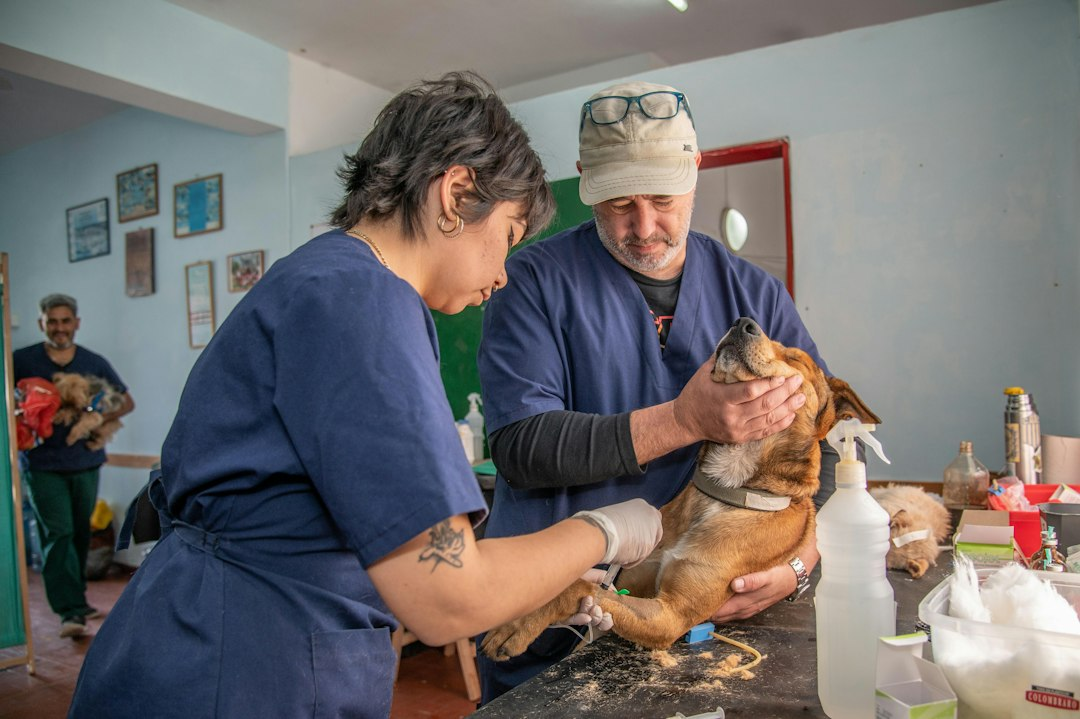
How Community Care Veterinary Specialists Can Help
Community Care Veterinary Specialists in Gainesville, Florida, provides veterinary care for pets that need specialist attention. If your dog has been diagnosed with bladder stones or may need surgical treatment, the team can help assess the condition and discuss an appropriate care plan.
A cystotomy involves more than removing stones. Careful evaluation, appropriate testing, surgical treatment, and recovery guidance all contribute to a successful outcome. The findings from stone analysis and infection testing can also help shape a prevention strategy tailored to your dog.
If you notice changes in your pet’s urination, don't wait for the symptoms to become severe. Contact a veterinary professional to arrange an examination. If your dog cannot urinate, seek emergency care immediately.
Helping Your Dog Move Forward
Bladder stones can cause pain, urinary problems, and serious complications if they obstruct the flow of urine. Recognizing the warning signs of bladder stones in dogs, getting an accurate diagnosis, and following your veterinarian’s treatment and aftercare advice can make a meaningful difference to your pet’s recovery and long-term comfort.
